How Answering Customer Questions Can Help Your Website Rank
Learn how answering real customer questions on your website can help Google understand your expertise. This simple SEO method can support better rankings over time.
Enlear Team
June 29, 2026
5 min read
Many businesses want to rank higher on Google, but they often make SEO more complicated than it needs to be. One simple starting point is to answer the questions your customers are already asking. When your website gives clear answers to real industry questions, Google can better understand what your business knows. Over time, this can help your website look more helpful and trustworthy in your niche.
But even though this method sounds simple, it still takes time. You need to find the right questions, answer them clearly, organize the content properly, and keep publishing useful pages. This strategy works because people search with questions every day. If your website has the answers, you have a better chance of showing up when they need help.
How Can Questions Improve Website SEO?
Questions are powerful for SEO because they match how people search online. Many users do not only type short keywords anymore. They search for full questions based on their exact problem. For example, someone may not only search “technical article for developers.” They may search “how does this architecture work” or “what are the common mistakes when implementing this in production.”
When your website answers these questions clearly, it becomes more useful to both readers and search engines. This helps Google connect your website with the topic your business wants to rank for. Answering questions also helps you create content with a clear purpose. Instead of writing random blog posts, you are creating pages based on what people already want to know.
For beginners, this is one of the easiest ways to understand SEO content. You are not guessing. You are answering real questions.
Where Can You Find Customer Questions?
You can find customer questions by using tools that collect common searches around a topic. A tool like FindQuestions can help you see what people are asking about your industry. The process is simple. You type in what you sell or the service you provide. For example, if you are a dog groomer, you can enter “dog groomer” and find related questions.
These questions can become blog posts, FAQ pages, or short answer pages on your website. The goal is to cover the important questions your audience asks before choosing a business like yours.
Simple question research flow:
Type your service or product into a question tool
Choose questions that match your audience
Answer each question clearly on your website
Keep the content simple and useful
This process takes time because not every question is worth writing about. You need to choose the questions that match your audience, your business, and your services.
How Should You Answer Each Question?
Each question should be answered one at a time. This keeps the content focused and easy to understand. If one page tries to answer too many things, it can become confusing for the reader. Start with a direct answer near the beginning of the page. Then explain the answer in simple language. Use examples when they help the reader understand better.
For example, if the question is “How often should dogs be groomed?" the first paragraph should give a clear answer. After that, you can explain how it depends on the dog’s breed, coat type, lifestyle, and health. This structure makes the content easier to read. It also helps Google understand the purpose of the page more clearly.
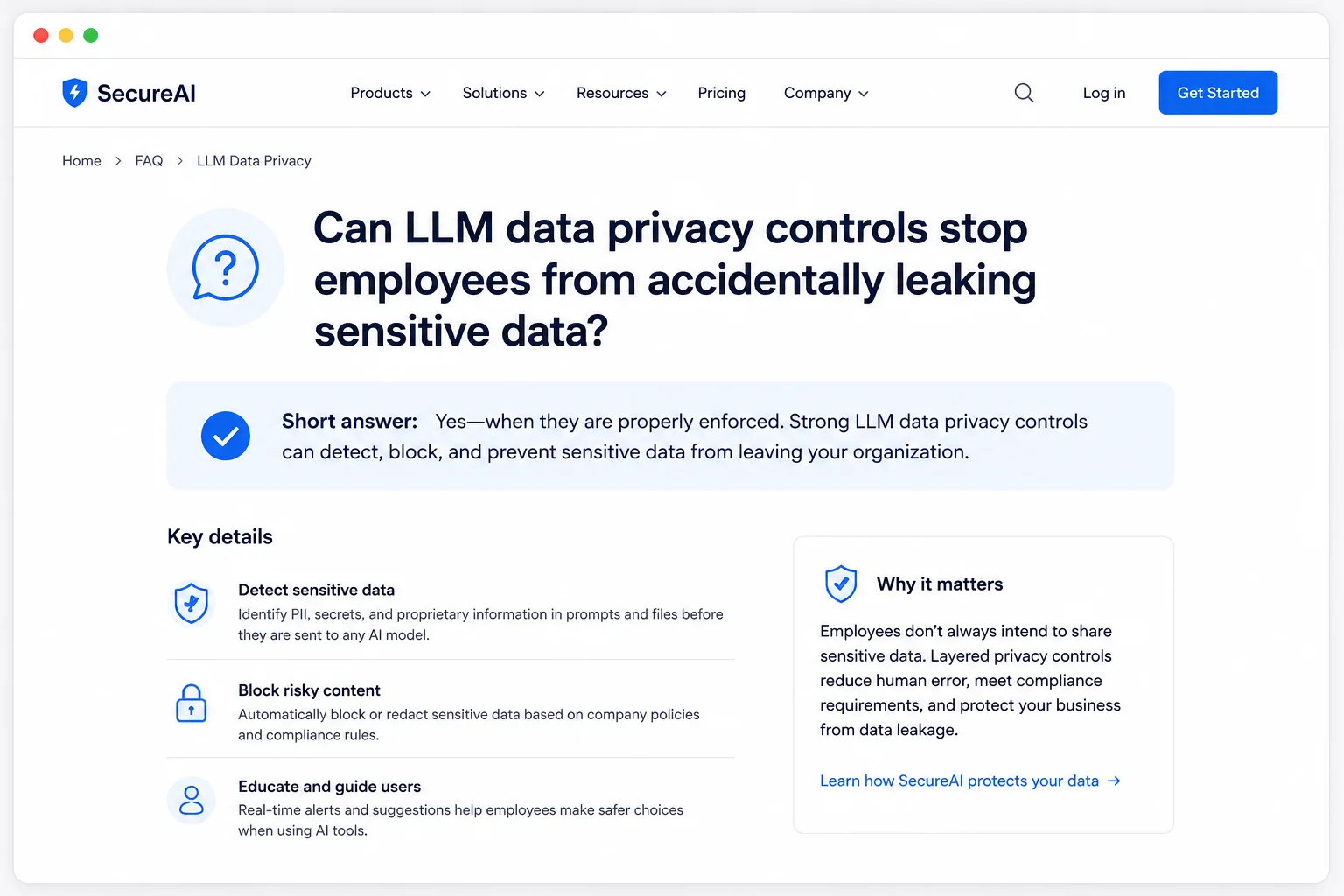
Source: Website FAQ
Why Does Topical Authority Matter?
Topical authority means your website looks knowledgeable about a specific subject. If you answer many useful questions about one industry, Google can start to see your website as more complete. For a developer-focused technical article, this could mean answering questions about how the system works, how to implement it, common errors, security risks, testing methods, performance issues, and maintenance after deployment.
Each page adds more depth to the website. This does not mean you are forcing Google to rank your site. It means you are giving Google more useful content to understand your expertise. The more helpful pages you create around your topic, the stronger your website can become. This is especially useful for local businesses and service-based websites. But it does not happen overnight. Building topical authority takes consistent effort over time.
Final Takeaway?
Ranking higher on Google does not always require complicated SEO tricks. Sometimes, the best starting point is to answer the real questions your customers already have. Use question tools to find what people are searching for. Then answer those questions clearly on your website. Keep each page focused, simple, and helpful.
This is not a quick-result method. It takes time to build enough useful content and for Google to understand your website better. But over time, these answers can help your website build topical authority. When Google sees that your site covers a topic well, your chances of ranking can improve.
Learn what makes content more citable in AI search, from first-hand experience and clear answers to credible evidence, technical SEO, and useful structure.
Based on our experience working with SEO in 2026, this article explains how AI Overviews changed the way we approach rankings, keywords, content research, expert input, and traffic. It shares the practical lessons that pushed us toward more experience-led, useful content while keeping traditional SEO foundations in place.
Learn how paid campaigns support developer marketing, from targeting technical audiences and building trust to measuring product adoption and conversions.

 Enlear